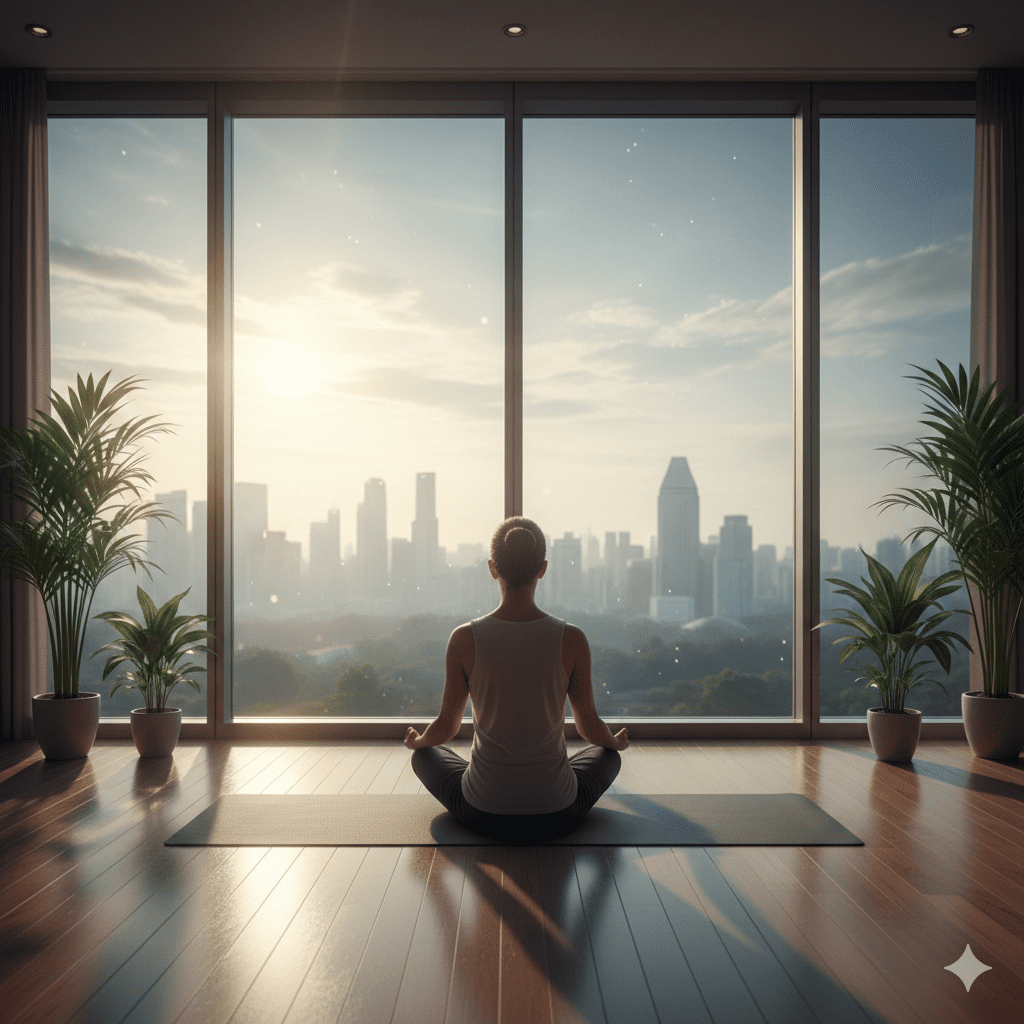
Finding inner stillness is a vital practice for anyone looking to navigate the stresses of modern life with grace and clarity. To begin your journey into tranquility, you must first create an environment that supports this quiet state. You can meditate anywhere. However, having a dedicated corner helps signal to your brain that it is time to decompress. Consequently, this is the first essential step toward achieving quietude.
Following a consistent sequence helps the body and mind transition into a meditative state. Indeed, it makes the process much more efficient.
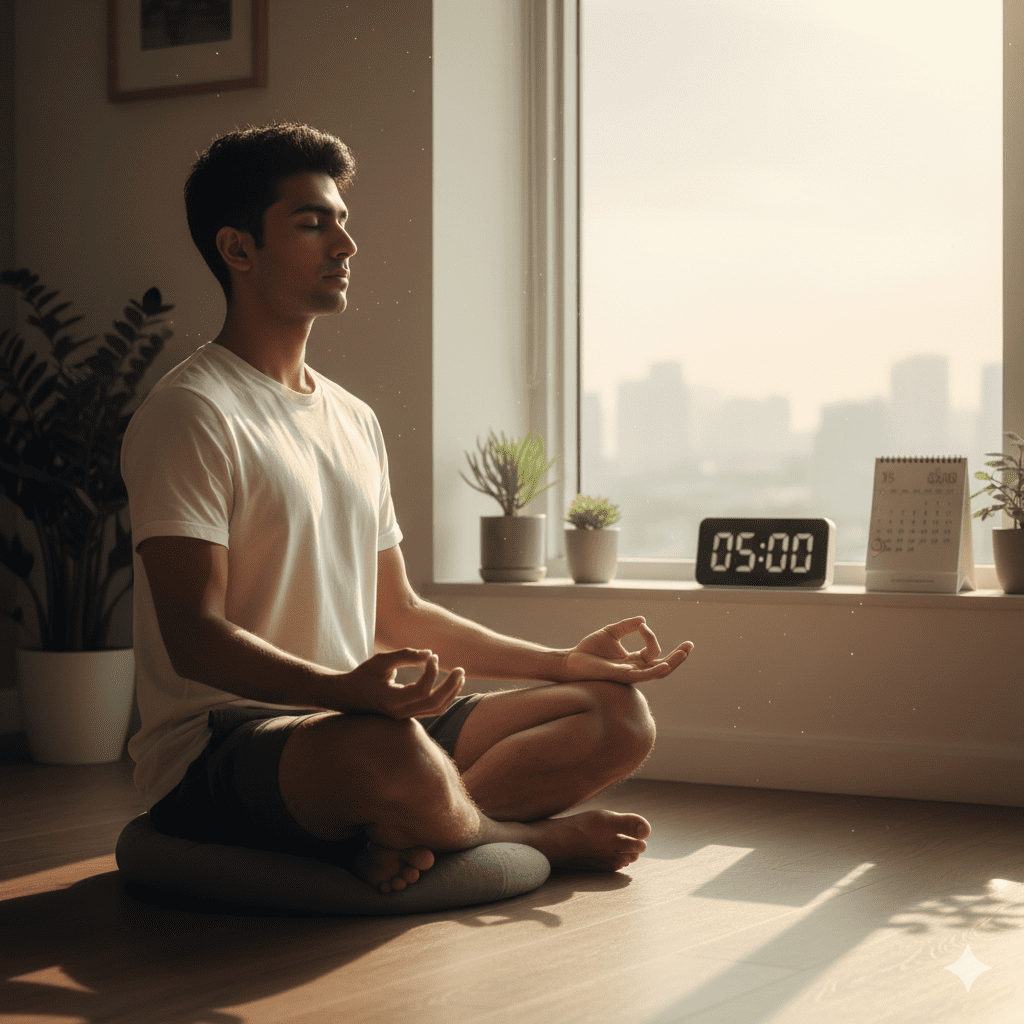
Settle Your Body: Sit comfortably and rest your hands on your knees. Essentially, physical stability is the foundation for your practice.
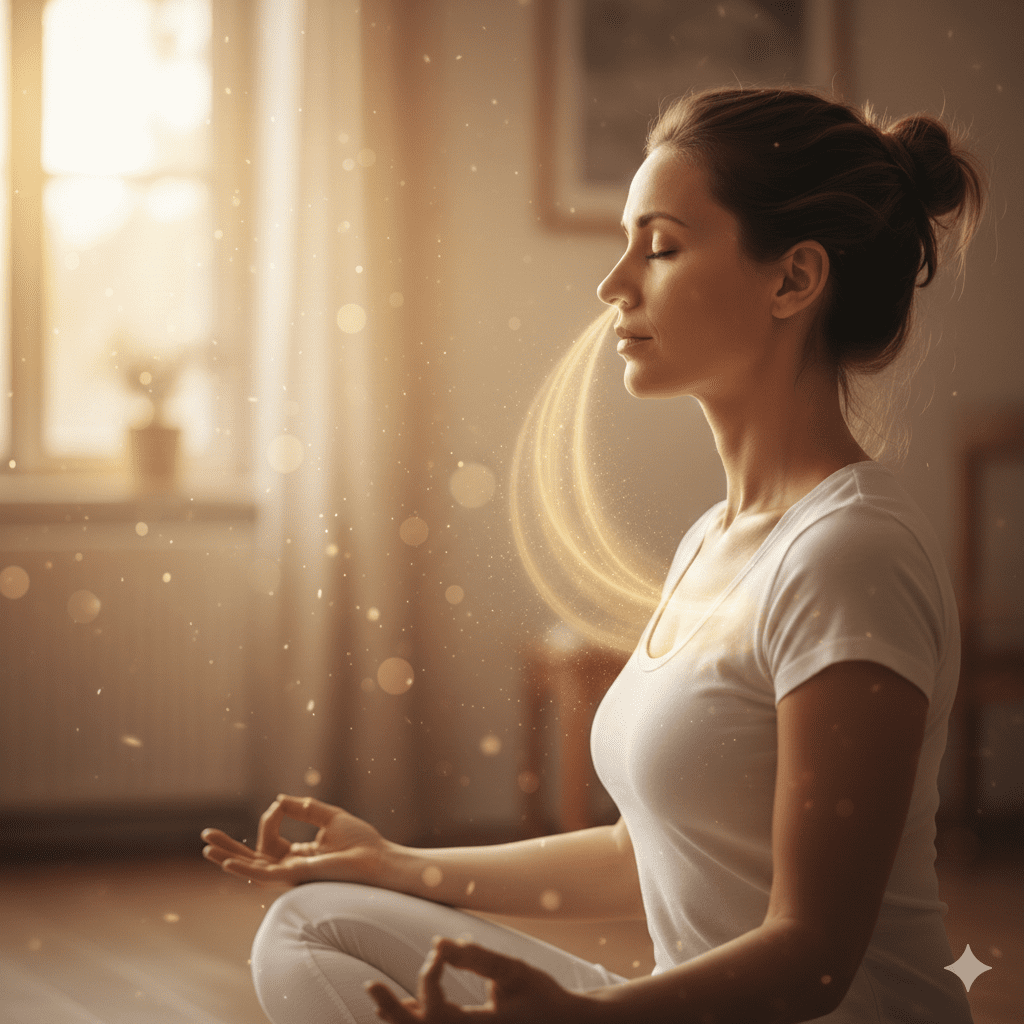
Focus on the Breath: Observe the natural rhythm of your inhalation and exhalation. Clearly, this focus is a primary tool for finding inner stillness.
Acknowledge Thoughts: When your mind wanders, simply notice the thought. Then, gently return your focus to your breath to maintain mental clarity.
Deepen the Silence: As you settle, notice the tiny pauses between each breath. In fact, this is where true stillness resides.
Gentle Return: After 10 to 15 minutes, wiggle your fingers and toes. Finally, gradually bring your awareness back to the room while carrying your sense of peace.
Finally, the practice concludes with integration. The goal is to carry finding inner stillness back into your daily life. By doing so, you acknowledge the peace you’ve created. Ultimately, this makes it easier to return to inner quietude whenever your day becomes chaotic.
Finding inner stillness is a skill cultivated through action. Initially, the mind may feel turbulent. However, by following a structured approach, you can dive beneath the surface noise. Therefore, the process starts with the physical and moves inward.
The first step is sensory withdrawal. To begin finding inner stillness, you must curate your environment. For example, silence your notifications and dim the lights. Consequently, this signals to your nervous system that the time for external output has ended. Now, the time for achieving quietude begins.
Next, focus on your posture. Understandably, reaching a deep state of calm is difficult if the body is strained. A straight, relaxed spine allows your breath to flow naturally. Moreover, it serves as a stable anchor for accessing calm. While you settle, observe the rhythm of your breath. Importantly, do not judge your thoughts.

Consistency is more important than duration. Even five minutes of intentional practice each morning can significantly shift your perspective, making finding inner stillness a natural part of your daily routine. As you grow more comfortable with attaining this quiet state, you can gradually extend your time.
The most powerful tool for finding inner stillness is one you always carry with you: your breath. In meditation, the breath serves as a bridge between the body and the mind. When you focus on the sensation of air entering and leaving your nostrils, you provide your mind with a “home base” for accessing calm.
Whenever a distracting thought arises, you don’t fight it; you simply acknowledge it and return to the steady, natural flow of your breathing. This rhythmic cycle is the most reliable anchor for finding inner stillness in the present moment and remains the simplest way to return to center throughout your day.
Finding inner stillness is a personal practice that evolves over time. While the steps are simple, the impact on your overall well-being is profound. If you are looking to integrate these meditative practices with a broader approach to health, we invite you to explore how our specialized Services at Deep Natural Remedy can support your path toward finding inner stillness. You can also learn more About Us and our commitment to holistic balance in Singapore.