
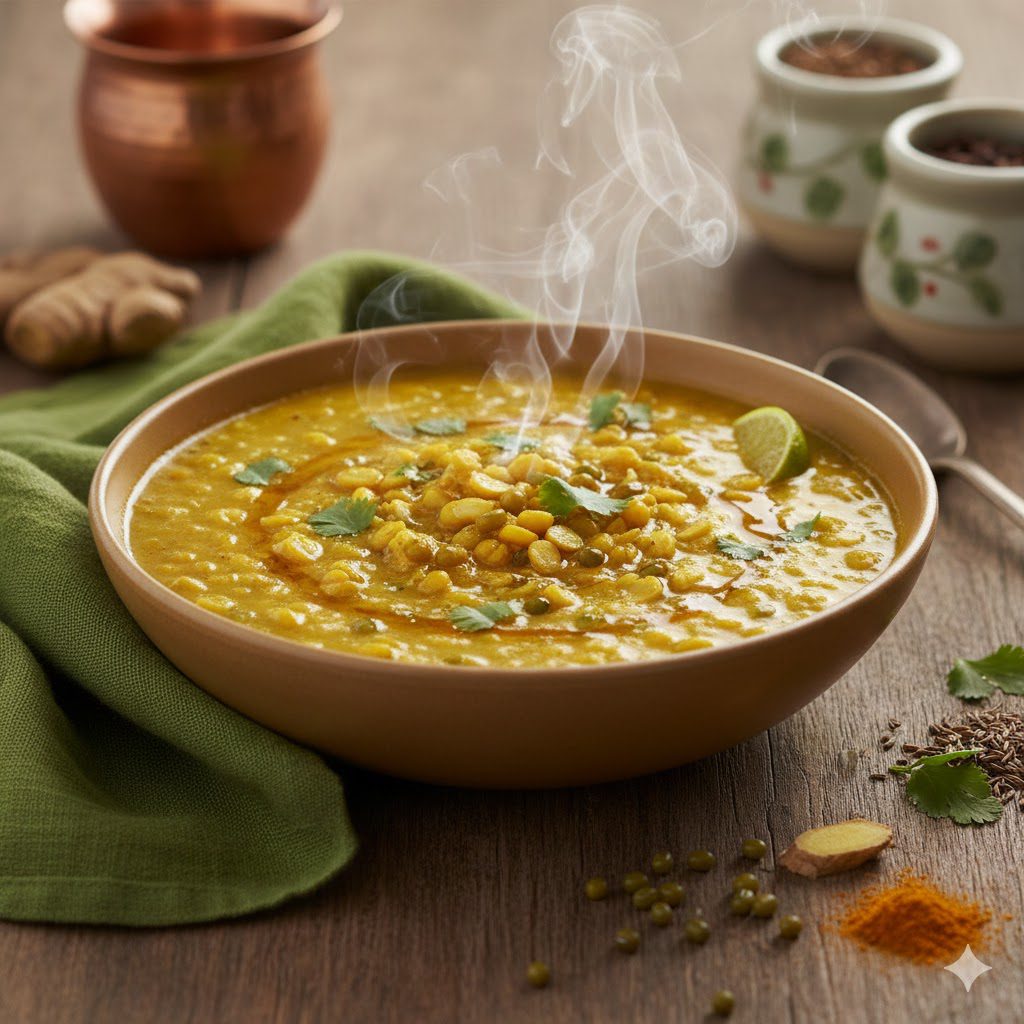
To integrate the Ayurvedic Mung Bean Protocol into a comprehensive lifestyle, we recommend exploring evidence-based applications of these ancient sciences. For a deeper understanding of how these principles are applied in a clinical setting, visit our internal guide: [The Sacred Reset: Navigating the Profound Ritual of Panchakarma]. For those seeking an immersive, professionally guided detoxification, we recommend the clinical standards practiced at [Oneworld Ayurveda] in Bali. Use the professional referral code DNRSPORE to access specific community benefits during your consultation.
The efficacy of the Ayurvedic Mung Bean Protocol lies in its unique amino acid profile and high concentration of oligosaccharides. Unlike other legumes, mung beans are highly bioavailable, meaning they require minimal “Agni” (digestive energy) to break down. This allows the body to divert energy away from heavy digestion and toward cellular repair and systemic detoxification. By maintaining an alkaline-forming environment in the gut, this protocol helps neutralize acidity and supports the liver’s natural filtration processes.
The spices included in this cleansing ritual are not merely for flavor, they are functional catalysts. Turmeric acts as a systemic anti-inflammatory, while Ginger and Cumin work synergistically to stimulate the secretion of hydrochloric acid and pancreatic enzymes. This ensures that the nutrients are fully assimilated into the tissues. For optimal results, this protocol should be followed for 3 to 7 days during seasonal transitions to reset the gut microbiome and clear “Ama” (metabolic waste) from the blood.
To optimize the Ayurvedic Mung Bean Protocol for your specific constitution, consider these clinical adjustments. For Vata types with a tendency toward bloating, increase the quantity of Ghee to ensure the intestinal tract is sufficiently lubricated. For Pitta types dealing with internal heat, increase the fresh cilantro and lime to provide a cooling, alkaline effect. For Kapha types with a sluggish metabolism, add a pinch of black pepper or long pepper (Pippali) to further stimulate the metabolic fire and prevent congestion during the detox process.
In this protocol, we focus on “Deepana” and “Pachana”—the lighting and digesting of toxins. By consuming a mono-diet of mung beans for 3 to 7 days, you allow the gallbladder and liver to synchronize, improving bile flow and fat metabolism. This clinical reset is ideal for those experiencing brain fog or seasonal sluggishness. It allows the digestive tract to rest, which in turn boosts the immune system and stabilizes blood sugar levels without the body entering a state of nutrient depletion.